Walkies! What Your Dog Really Gets From The Daily Walk
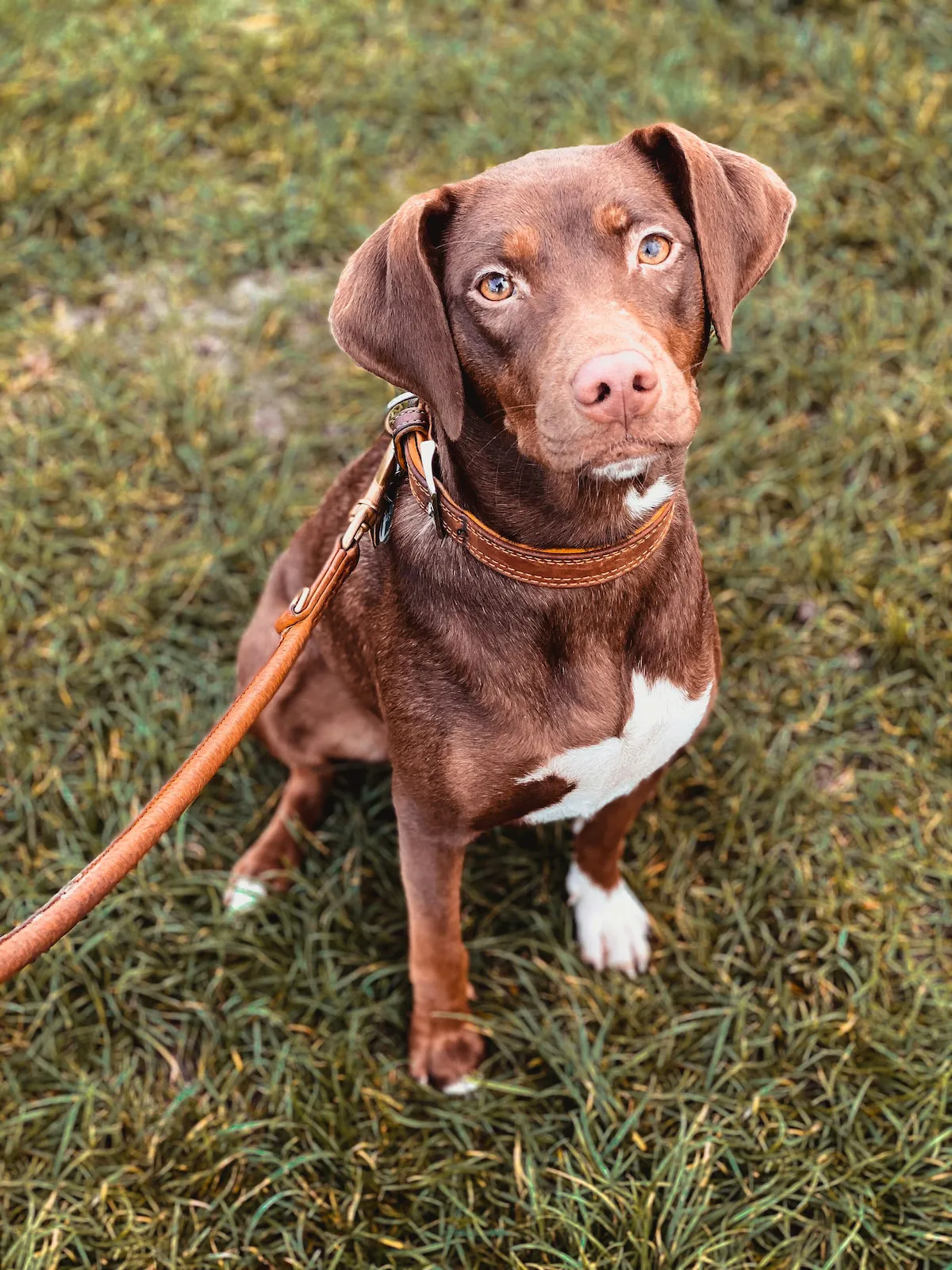
WHAT YOU'LL FIND IN THIS ARTICLE
- Why walking your dog is about far more than exercise — for both of you
- How much walking your dog actually needs — and why breed matters enormously
- The surprisingly fascinating laws around dog walking across the world
‘WALKIES’! The one word that can transform a sleeping dog into a spinning, tail wagging, whistling, barking tornado of excitement in less than a nano second. The highlight of the day, closely followed by, or equal to, ‘DIN DINS’!
Behind the pre-walk theatrics and the pent up anticipation of fun, the daily walk is doing considerably more for you and the dog. Few people realise how much walking does beyond simply burning off energy or that in some countries it is actually against the law to not walk your dog.
The physical benefits of walking your dog go well beyond the obvious cardiovascular, weight management and joint mobility aspects that, as humans, we also share but have measurable effects on behaviour and mental stimulation that have a much greater impact on their health than we could imagine.
The walk provides a sensory feast of new smells and sounds within an ever changing environment that the back garden very often lacks in variability, engaging the brain differently even if it’s a similar route.
The sniffing question. Every dog owner knows what it’s like, storming along at a good pace to suddenly be pulled to a jerk stop as your labrador stops abruptly to snort and sniff at the lamppost you just nearly passed. We just want to get on with the walk without these annoying distractions, not standing aimlessly while the dog explores the aroma of the last dog to pass by’s weeing spot. But actually the truth of it is, that a ten minute sniff is equivalent to a long walk, dedicated sniff time provides invaluable mental stimulation, stress reduction and brain training. Dogs Trust UK and many others widely encourage sniffing on walks, and especially dedicated ‘sniffari’s’ where owners allow their dogs to lead the way on a walk and do not intervene at all with sniffing, but allow whatever time the dog wants to take for sniffing.
An under-walked dog doesn't hide it for long as they will undoubtedly redirect their energy and possible frustration into destructive or anxious behaviours at home. It’s a win-win of course for us too; the dog is happier, fitter and more relaxed and the same goes for us humans.
How much is enough (or not enough)?
There is no universal answer to how much or how often a dog needs a walk and individual needs will inevitably change throughout your dog’s life, from puppyhood through to adulthood and then their senior years. Breed, size and age all make a difference to your walking routine, not forgetting how the changing seasons will have a considerable impact on what time of day you go out and even the number of walks you go on. Hot weather in the summer may mean you adapt your routine to two smaller walks a day in the morning and evening when it’s cooler rather than one longer walk just after lunch in the winter.
A quick test — if you can't hold the back of your hand on the pavement for five seconds, it's too hot for paws
Getting to understand your dog’s breed and its needs is imperative to getting your routine right. Working breeds, like German Pointers, Vizslas and Border Collies don’t just need plenty of exercise but they need jobs, ‘sniffathons’ and activity just as much as long walks. Whereas Brachycephalic breeds, flat faced dogs such as Pugs, French Bulldogs and the like require shorter, gentler walks where often two short walks beats one long one.
As your dog ages, walking and exercise will undoubtedly change but will be very much a case of you knowing and understanding how your dog responds as they all age differently. Puppies are a bit different and general guidance, taking alongside the specific breed guidelines, the rule of thumb is five minutes per month of age, twice a day. Over walking puppies causes genuine joint damage that may not show itself until years later, something that first time owners often don’t know. The PDSA guide on exercise for dogs is great for pointers, especially for first time puppy owners.
The world of dog walking laws
Any committed and caring dog owner will be well aware of the importance of taking regular walks with their canine companion but in some countries, the law takes things further!
In 2020 Germany’s Agriculture Minister, Julia Klockner, said “Dogs are not cuddly toys” and introduced an updated Dogs act, the Hundeverordnung, where it became a legal requirement for owners to walk their dog twice a day for at least one hour each time, dogs are not allowed to be left alone all day and cannot be tethered for long periods of time. Enforcement is probably not widely possible but the intention is clear and the principle of dog welfare is a legal matter rather than just personal choice.
Germany sets the gold standard, with other European countries following suit in various forms, and it's a trend that looks set to grow.
At the opposite end of the spectrum sits a story that is harder to tell with a smile, though it belongs here. While Germany legislates walking in, Iran has been steadily legislating it out. What began as a police directive banning dog walking in Tehran in 2019 has since expanded to at least 25 cities, with bans now extending to transporting dogs in vehicles. The official rationale cites public health and order. The deeper motivation is religious and political — many Iranian authorities regard dogs as ritually unclean under conservative interpretations of Islamic law, and urban pet ownership as a symbol of Western cultural influence the regime wishes to suppress.
The historical irony is striking. Pre-Islamic Persian culture, rooted in Zoroastrianism, actually revered dogs — giving them spiritual significance and a role in religious ritual. The current hostility is a post-1979 phenomenon, not something ancient in Persian identity.
What is perhaps most telling is the response. Despite bans, warnings and police enforcement, the majority of Iranian dog owners continue walking their dogs anyway. For them, a simple act that dog owners across the world take entirely for granted has become something quietly political.
Worth a moment's thought next time the lead is by the door.