Fake Flea Treatments Are Reaching UK Pets - And The Results Can Be Deadly
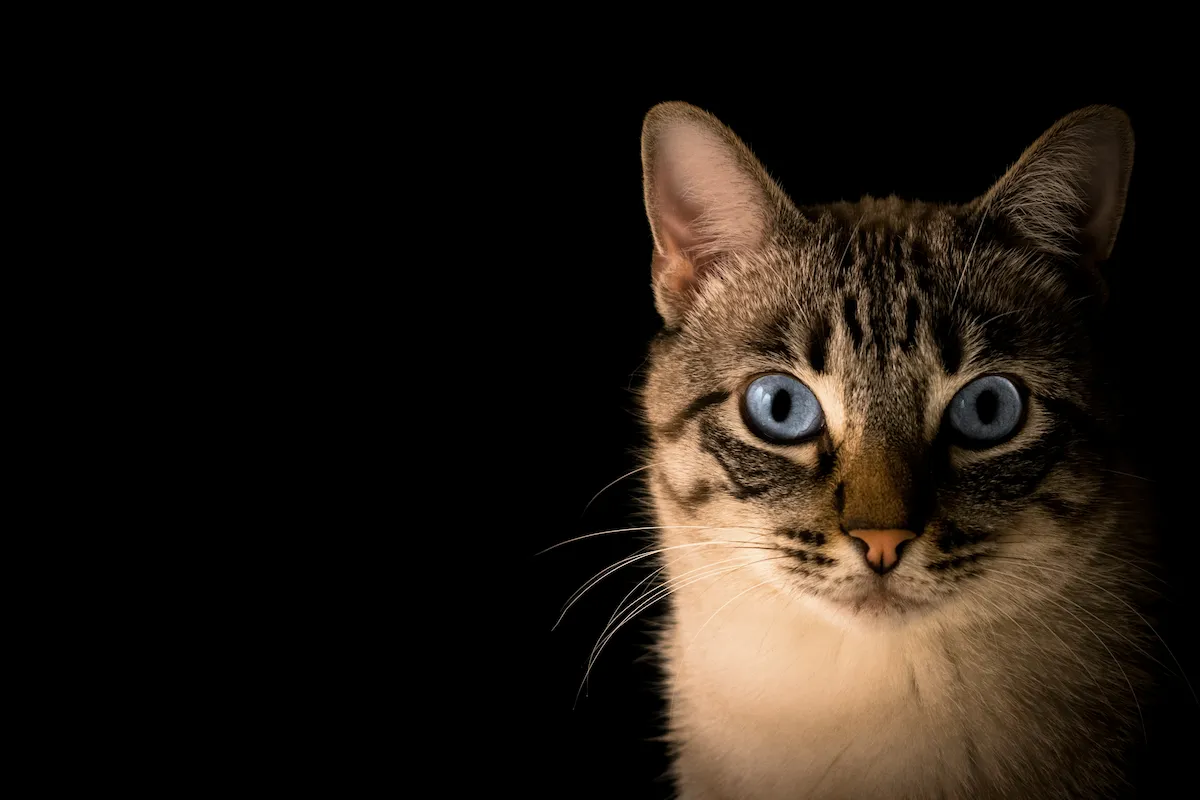
A government warning that first emerged last summer is resurfacing in mainstream coverage this week — and given the risks involved it's worth making sure every pet owner has seen it. The warning issued jointly by the Intellectual Property Office and the Veterinary Medicines Directorate has highlighted a growing threat to pet safety — counterfeit flea treatments being sold through online platforms that look identical to genuine products but contain dangerous, unregulated chemicals.
The warning follows the case of Smokey, a cat from Preston whose owner purchased what appeared to be genuine Frontline flea treatment from a third-party online seller. Smokey became severely ill after application, requiring emergency intestinal surgery and a week-long stay at the vets. Laboratory testing confirmed the product contained Pirimiphos-methyl — a toxic insecticide with no place in any legitimate pet treatment.
Smokey survived. Not every pet will.
The scale of the problem is significant. Last year the VMD issued 122 seizure notices for unauthorised animal medicines, intercepting around 18,000 illegal items before they reached consumers. Yet a new survey suggests three quarters of UK consumers wrongly believe counterfeit goods are of similar quality to genuine ones — a dangerous assumption when the product in question is going directly onto your pet's skin.
What to look for
Warning signs that a product may be counterfeit include poor or flimsy packaging, spelling mistakes, missing information, directions not in English, unusual smells, and prices that seem too good to be true. If in doubt, don't use it.
The advice from both the VMD and the RSPCA is consistent — only purchase veterinary medicines from registered, reputable retailers, and if your pet shows any unusual symptoms after flea treatment application, contact your vet immediately.
Read the full government warning at GOV.UK